
Camera Settings for Sharp Landscape Photos: A Complete Guide
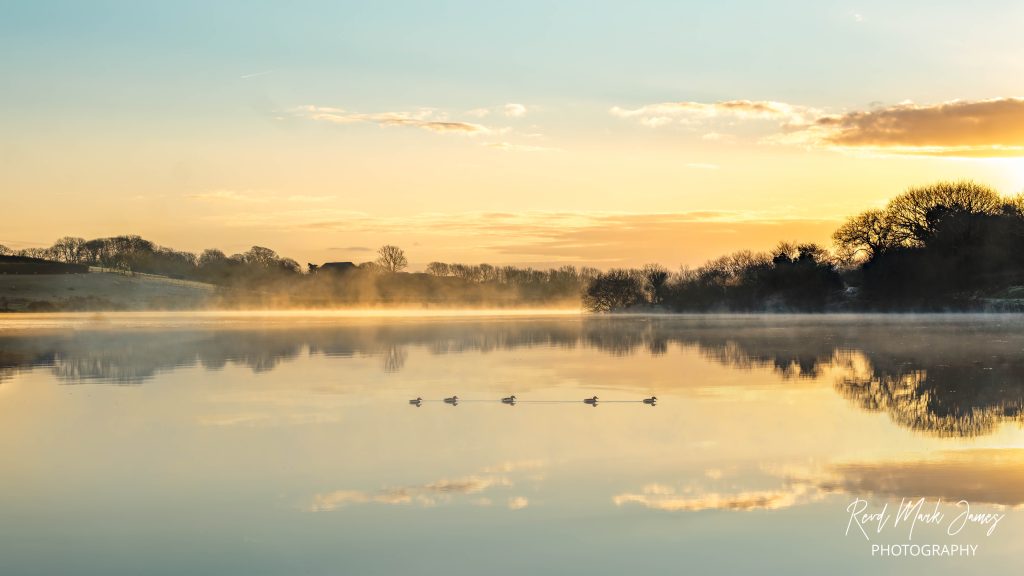
For landscape photographers, achieving tack-sharp images is often the difference between a portfolio-worthy shot and a missed opportunity. While composition and timing are crucial, understanding the right camera settings is fundamental to capturing crisp, detailed landscapes. In this comprehensive guide, we’ll explore the essential camera settings that will help you capture sharper landscape photos.
The Foundation: Basic Camera Settings
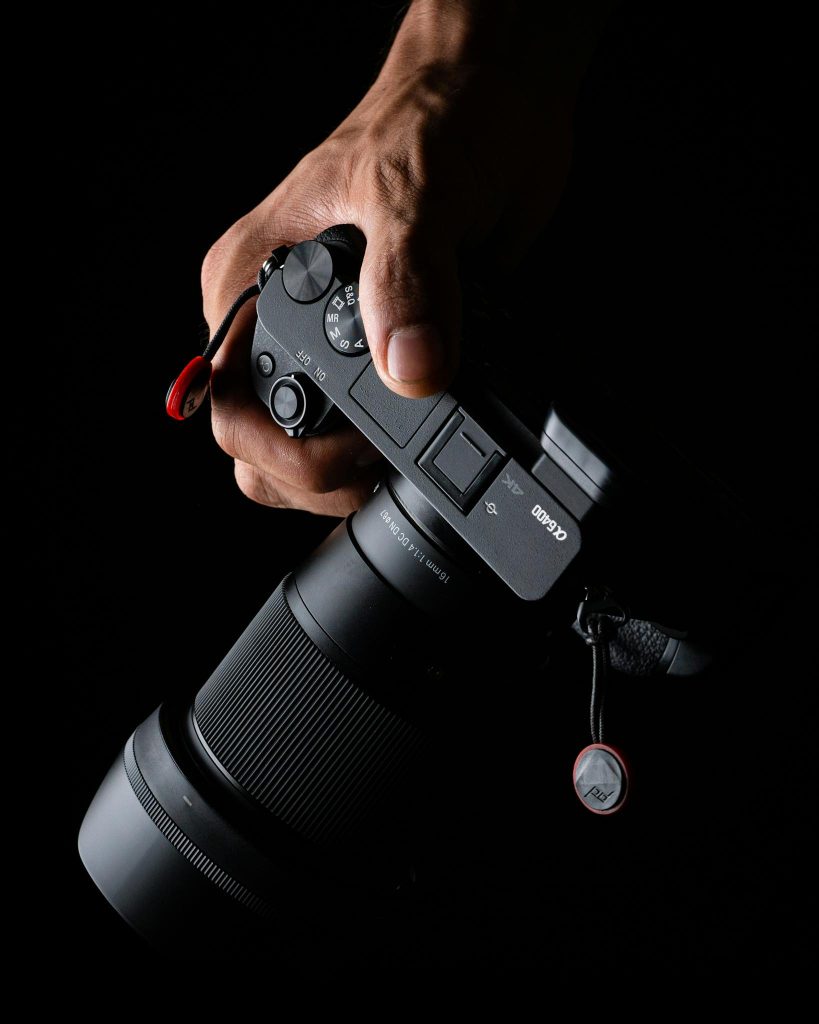
Before diving into specific scenarios, let’s establish the fundamental settings that form the basis of sharp landscape photography:
- Shooting Format: RAW format is essential as it captures more detail and provides greater flexibility in post-processing
- Shooting Mode: Manual or Aperture Priority, depending on the lighting conditions
- Image Stabilization: Usually OFF when using a tripod to avoid unnecessary movement
- White Balance: Auto or custom preset based on conditions
- Drive Mode: Single shot for most scenarios
Mastering Aperture for Landscape Photography
Aperture selection is crucial for landscape photography as it directly affects both depth of field and overall image sharpness. Here’s what you need to know:
Finding the Sweet Spot
Most lenses have an optimal aperture range (sweet spot) where they produce the sharpest images:
- Wide-angle lenses: typically f/8 to f/11
- Standard lenses: usually f/8 to f/13
- Telephoto lenses: often f/8 to f/16
When to Adjust Aperture
- f/8-f/11: Standard landscape scenes with good light
- f/13-f/16: When maximum depth of field is crucial
- f/5.6-f/7.1: In low light when you need faster shutter speeds
- f/2.8-f/4: For intentional selective focus or astrophotography
Shutter Speed: The Stability Factor
Shutter speed plays a vital role in preventing motion blur and camera shake:
Tripod-Mounted Photography
- Use a remote shutter or 2-second timer
- Enable mirror lock-up for extra stability
- Base shutter speed on conditions:
- Still scenes: Any speed is acceptable
- Moving water: 1/2 second to 2 seconds for silky effect
- Trees/foliage: 1/60 or faster to freeze movement
Handheld Photography
When you must shoot without a tripod:
- Follow the reciprocal rule (1/focal length)
- Double that speed for extra safety
- Use image stabilization
- Brace yourself properly
ISO Settings for Maximum Quality
For landscape photography, managing ISO is crucial for maintaining image quality:
General Guidelines
- Use base ISO (typically 100 or 200) whenever possible
- Increase ISO only when necessary to maintain proper exposure
- Maximum recommended ISO varies by camera but typically:
- Entry-level cameras: Stay below ISO 800
- Mid-range cameras: Can use up to ISO 1600
- Professional cameras: May extend to ISO 3200
Focus Settings for Ultimate Sharpness
The proper focusing technique is essential for sharp landscapes:
Manual Focus Technique
- Switch to Live View
- Zoom in 100% on your focus point
- Use manual focus to achieve precise focus
- Check focus at multiple points in the frame
Hyperfocal Distance
- Calculate or use an app to determine hyperfocal distance
- Focus at 1/3 into the scene for a general rule
- Use focus stacking for extreme situations
Advanced Techniques for Specific Scenarios
Sunrise/Sunset
- Bracket exposures (3-5 shots)
- Use graduated ND filters if available
- Focus before light levels drop
- Consider higher ISO as the light fades
Moving Water
- Use ND filters for longer exposures
- Secure the tripod extra carefully
- Use manual focus
- Consider multiple exposures
Mountain Landscapes
- Account for atmospheric haze
- Use polarizing filter when appropriate
- Focus stack for near-far compositions
- Check histograms carefully
Common Mistakes to Avoid
- Focusing Errors
- Not checking focus at 100%
- Relying too much on autofocus
- Forgetting to refocus between shots
- Stability Issues
- The tripod was not properly secured
- Image stabilization left on with tripod
- Not using mirror lock-up
- Touching the camera during exposure
- Exposure Mistakes
- Not checking histogram
- Overexposing highlights
- Using too small apertures (diffraction)
- Unnecessarily high ISO
Pre-Shoot Settings Checklist
✓ Battery fully charged
✓ Memory card formatted
✓ Lens clean and clear of condensation
✓ ISO set to base value
✓ White balance appropriate for conditions
✓ RAW format selected
✓ Image stabilization off (on tripod)
✓ Mirror lock-up enabled
✓ Remote shutter or timer ready
✓ Tripod properly secured
Final Thoughts
Remember that these settings are starting points, not absolute rules. As you gain experience, you’ll learn when to deviate from these guidelines based on your specific situation and creative vision. The key is understanding how each setting affects your final image, and practicing until adjusting them becomes second nature.
Keep this guide handy during your next landscape shoot, and don’t be afraid to experiment with different settings to find what works best for your style and equipment. With practice, you’ll capture sharper, more detailed landscape photos that truly showcase the beauty of the scenes you’re photographing.